
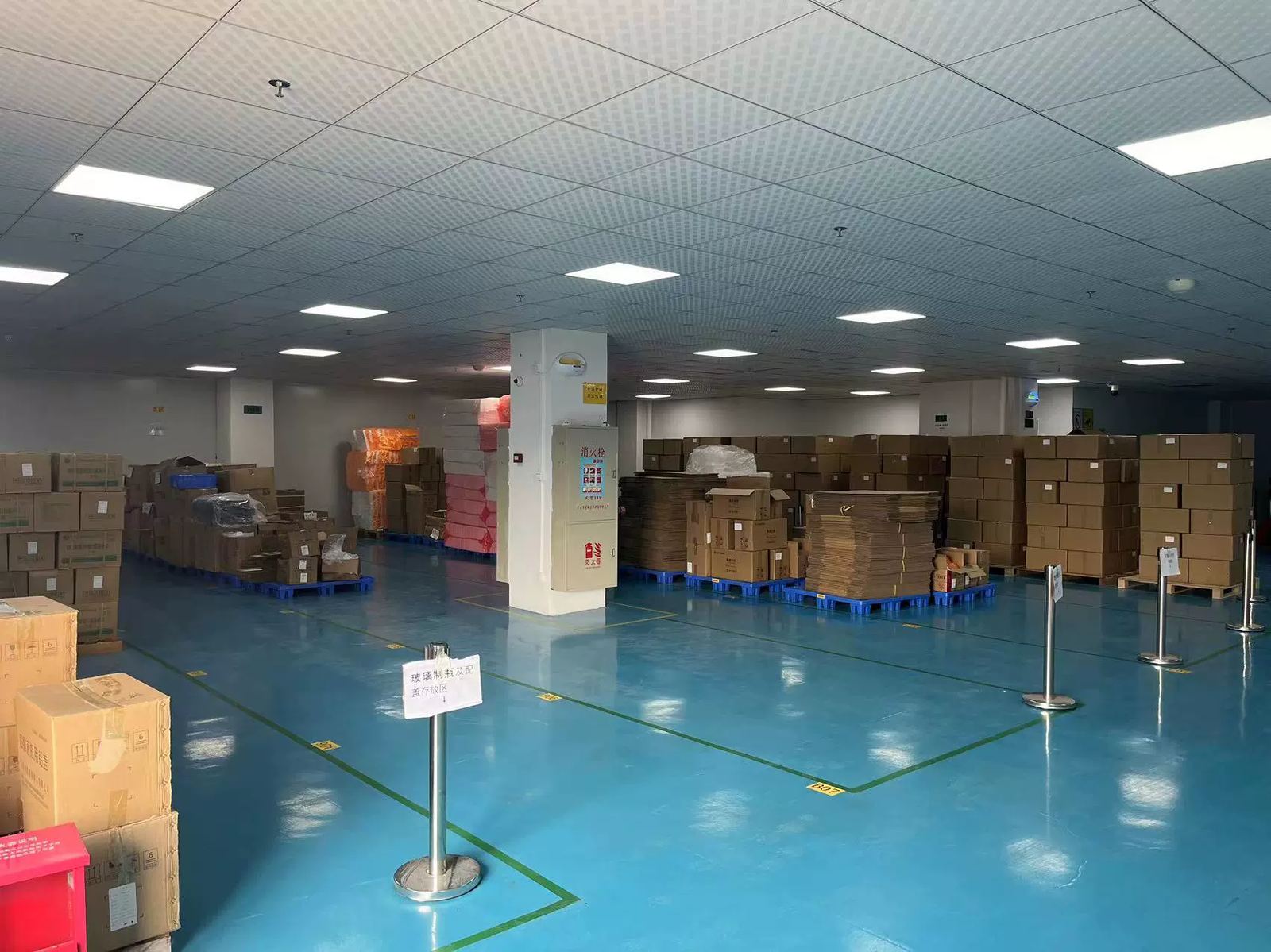
Gummy shipments fail differently from other supplements. The product survives weeks in a container, but heat does not care about your launch date. Planning the route and the climate before the container loads is what separates on-time arrivals from melted pallets.
The route. Sea freight from Guangzhou through Nansha Port to the US runs roughly 14-18 days to Los Angeles, longer to East Coast ports. Air freight exists for urgent launches, at a premium that usually matches the product cost. Most gummy brands plan around sea freight and protect the product instead of paying for speed.
The heat problem. Containers cross warm water and sit in warm ports. Gelatin gummies soften and deform in these conditions, which is one reason pectin-based formulas keep gaining ground among e-commerce brands shipping to warm regions. Pallets also need insulation, and summer sailings deserve extra attention.
The paperwork. Duties, customs documentation and the importer of record are decided before the vessel leaves, not after. FOB means your responsibility starts when the goods are on board; CIF shifts more of the transit risk to the supplier. Know which Incoterm you are buying and who clears customs on arrival.
What to confirm before the first container
- Container loading: palletized, insulated where needed, and documented with photos.
- Temperature exposure during transit and at the destination port.
- Customs clearance responsibilities and the duty classification for your product.
- Buffer stock: a second order in production before the first container arrives.
See the shipping and logistics page, or read FOB versus CIF explained and why the gelling base affects transit.
Related formulas
Directions we manufacture in this category — under your own brand, from 500–1,000 units. See all products →